


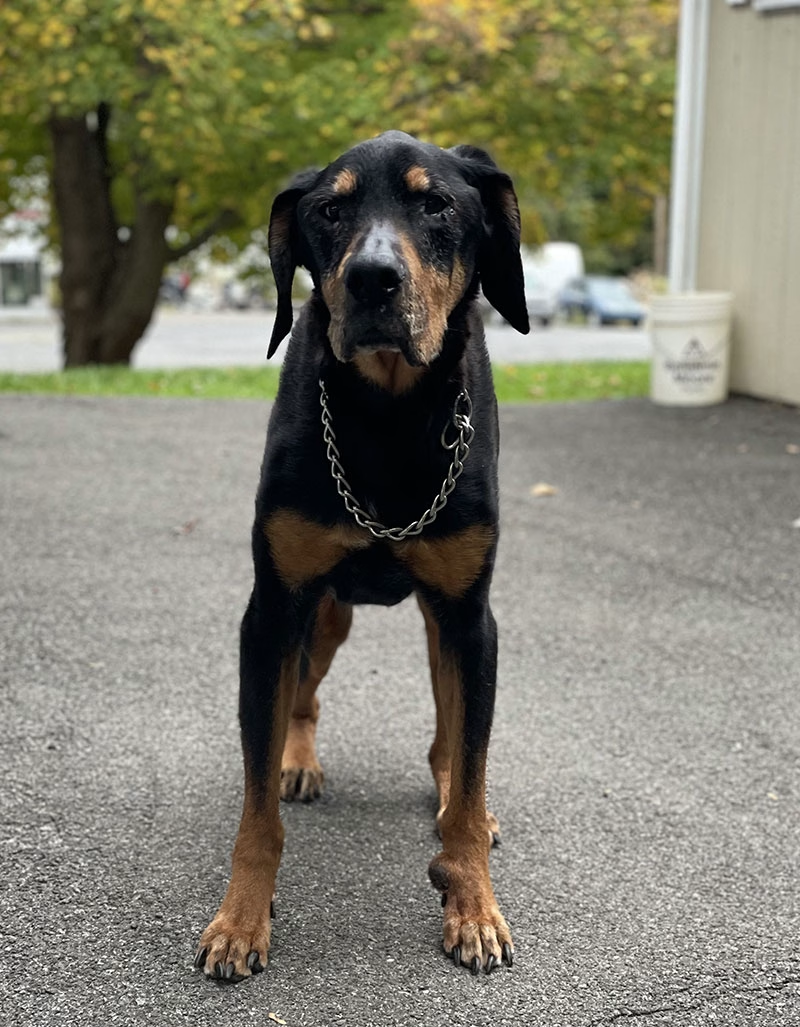
Arthritis in Dogs and Cats in Copake Falls, NY
Arthritis — also called osteoarthritis or degenerative joint disease — is one of the most common and most undertreated conditions in companion animals. At Copake Veterinary Hospital, we take chronic pain seriously, and we have the tools and expertise to improve your arthritic pet’s quality of life meaningfully and sustainably.
request an appointmentUnderstanding Arthritis in Pets
Osteoarthritis occurs when the cartilage cushioning the joints gradually breaks down, leading to bone-on-bone contact, inflammation, pain, and loss of mobility. It is a progressive condition — it does not reverse — but it can be managed effectively to preserve comfort and function for years.
Arthritis affects an estimated 20% of dogs over one year of age and is even more prevalent in senior animals. In cats, the condition is dramatically underdiagnosed: studies suggest that 90% of cats over 12 years old have radiographic evidence of arthritis, yet most owners never recognize it because cats rarely vocalize pain. Instead, arthritic cats simply stop doing things that hurt — jumping, climbing stairs, grooming their hindquarters, playing.
Signs of Arthritis in Dogs
- Stiffness after rest, especially in the morning
- Reluctance to climb stairs, jump into cars, or get onto furniture
- Lagging behind on walks or tiring quickly
- Limping or favoring a limb
- Muscle loss over the hindquarters or shoulders
- Behavioral changes — irritability, reduced interaction, snapping when touched in painful areas
- Licking, chewing, or guarding specific joints
Signs of Arthritis in Cats
- Reluctance to jump up or down from favorite spots
- Missing the litter box (painful to step over high sides)
- Reduced grooming, particularly of the lower back and hindquarters
- Decreased activity and play
- Hiding more than usual
- Changes in temperament — less social, more reactive to handling
How We Diagnose and Manage Arthritis at Copake Veterinary Hospital
Diagnosis begins with a thorough physical examination, including joint palpation and gait evaluation. Our digital radiography allows us to assess joint changes, bone remodeling, and the degree of structural deterioration.
Management is multi-modal — combining approaches to address pain from multiple angles:
- Prescription anti-inflammatory and pain medications — NSAIDs, gabapentin, and other analgesics tailored to your pet’s species, health status, and degree of pain
- Therapeutic laser — Our Class IV therapeutic laser reduces inflammation and promotes tissue healing at the cellular level; non-invasive and well-tolerated by most pets
- Joint supplements — Omega-3 fatty acids, glucosamine, and chondroitin as evidence-supported adjuncts
- Weight management — Every pound of excess weight significantly increases joint loading; nutritional counseling is often a key part of arthritis management
- Environmental modifications — Ramps, orthopedic beds, raised food bowls, low-sided litter boxes — practical changes that reduce pain in daily life
- Exercise guidance — Controlled, low-impact activity maintains muscle mass and joint mobility without worsening inflammation
Arthritis management is ongoing and adjusts as the disease progresses. Regular rechecks allow us to ensure the current protocol is working and modify it as needed. Our pain management program and geriatric care services are closely integrated with arthritis management for senior pets.
Contact Copake Veterinary Hospital at (518) 329-6161 to schedule an arthritis evaluation for your dog or cat in Copake Falls, NY .
Frequently Asked Questions About Arthritis in Dogs and Cats
How do I know if my cat has arthritis if she never limps?
Cats rarely limp from arthritis — instead, they stop doing things that cause pain. Watch for changes in jumping behavior, litter box use, grooming habits, and activity level. If your cat has stopped jumping onto her favorite perch, is missing the litter box, or seems less flexible than she used to be, arthritis may be the cause. A physical examination and X-rays can confirm the diagnosis.
Is arthritis painful for my pet?
Yes. Osteoarthritis is a painful condition, and chronic pain significantly affects quality of life. Because pets mask pain instinctively, the degree of discomfort is often greater than it appears. Effective pain management makes a meaningful difference — owners frequently report that treated pets seem years younger and engage with their family again.
Can arthritis be cured?
Arthritis is not reversible — the structural changes in affected joints are permanent. However, it is highly manageable. With an appropriate combination of medical treatment, laser therapy, weight management, and environmental modification, most arthritic pets can maintain good quality of life for years after diagnosis.
Is it safe to give my dog human pain relievers like ibuprofen or aspirin?
No. Human NSAIDs including ibuprofen, naproxen, and aspirin are toxic to dogs and cats and can cause fatal gastrointestinal bleeding, kidney failure, and liver damage. Never give human pain medications to your pet without explicit veterinary guidance. Veterinary-specific NSAIDs are formulated for pet physiology and metabolized safely.
Does laser therapy really help with arthritis?
Yes — therapeutic laser has well-documented anti-inflammatory and analgesic effects, and is widely used as part of multi-modal arthritis management in veterinary medicine. Most dogs and cats tolerate laser therapy very well and many show improvement in mobility and comfort after a course of treatments.
My dog seems stiff only in the morning — does that mean the arthritis is mild?
Morning stiffness that improves with movement is a classic sign of osteoarthritis, but it does not necessarily indicate mild disease. Pain during rest and after activity are both components of arthritis pain. A physical examination and radiographs will give us a much clearer picture of what’s actually happening in the joints.
How do I schedule an arthritis evaluation at Copake Veterinary Hospital?
Call Copake Veterinary Hospital at (518) 329-6161 to schedule. We’ll perform a thorough physical examination, discuss your observations, and develop a management plan appropriate for your pet’s specific situation.