

Preventative Pet Care in Copake Falls, NY
The most powerful thing you can do for your pet’s long-term health is not reacting to problems — it is preventing them. At Copake Veterinary Hospital in Copake Falls, NY , preventative care is the foundation of everything we do. Our proactive approach to pet health helps detect issues before they become serious, protects pets from preventable diseases, and gives you the peace of mind that comes from knowing your companion is truly well cared for.
request an appointmentWhat Preventative Care Includes
Preventative care at Copake Veterinary Hospital is not a single service — it is a comprehensive, ongoing commitment to your pet’s health that evolves as they age. Here is what it looks like in practice:
Routine Wellness Exams
Regular physical examinations are the cornerstone of preventative care. During each visit, our veterinarians perform a head-to-tail evaluation to assess your pet’s weight, organ function, dental health, eyes, ears, skin, coat, and musculoskeletal system. We identify subtle changes that might indicate early disease and discuss findings with you clearly and thoroughly. Learn more on our Wellness Exams page.
Vaccinations
Core and lifestyle vaccines protect your pet from serious, potentially life-threatening infectious diseases including rabies, parvovirus, distemper, panleukopenia, and more. We create individualized vaccination schedules based on your pet’s age, species, lifestyle, and risk factors rather than applying a one-size-fits-all protocol. Visit our Vaccinations page for details.
Parasite Prevention and Screening
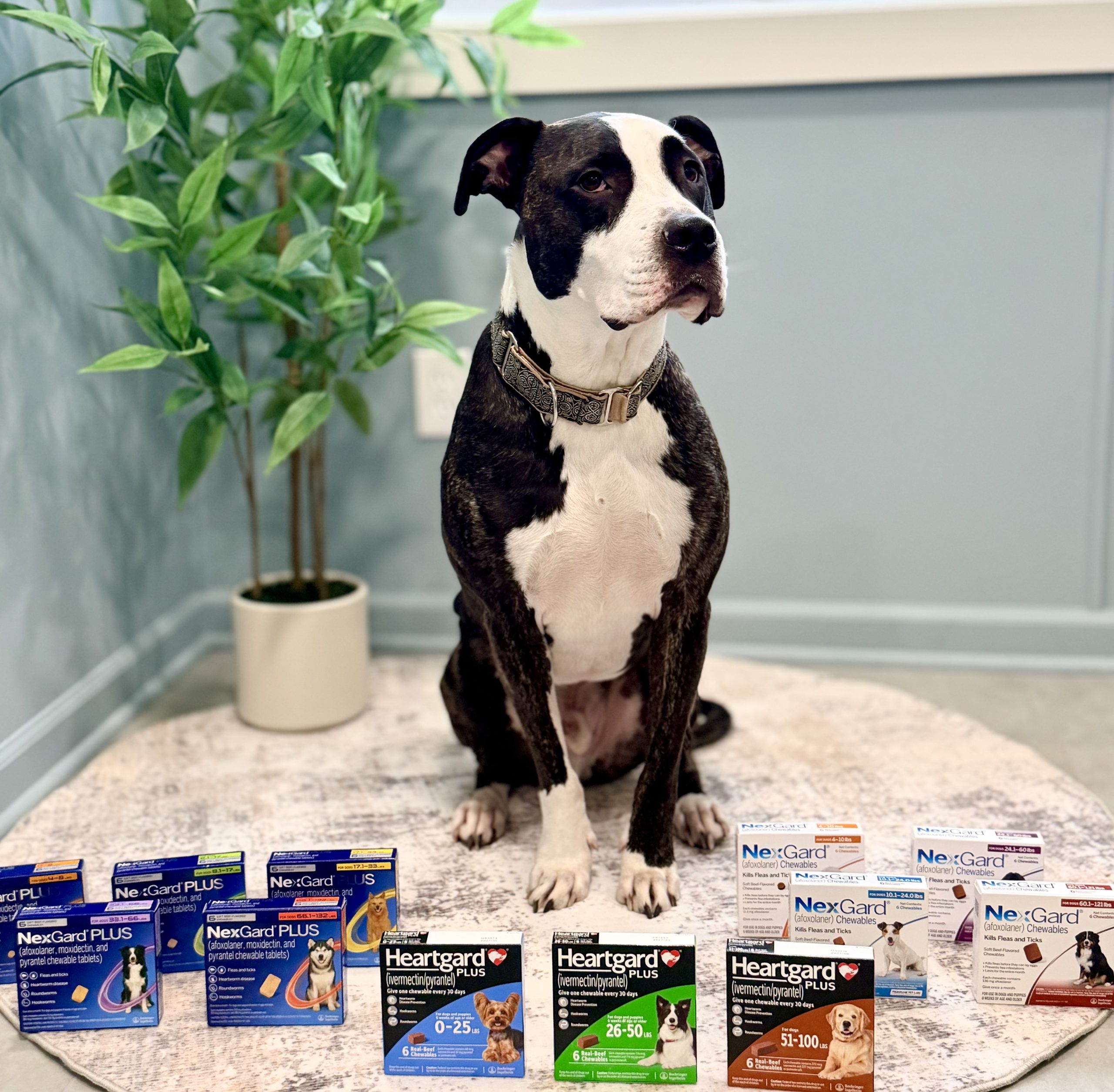
The Hudson Valley is a high-risk area for ticks and tick-borne disease, and heartworm, fleas, and intestinal parasites are ongoing concerns year-round. We help you select the most effective preventatives for your pet and incorporate annual parasite screening — including fecal testing and heartworm/tick-borne disease panels through our in-house laboratory — into every wellness visit. See our Parasite Prevention page.
Dental Care
Dental disease is present in the majority of adult pets and has consequences that reach far beyond the mouth. Professional cleanings, dental X-rays, and at-home care guidance are all part of preventing oral disease and the systemic health effects that come with it. Learn more on our Dental Care page.
Nutritional Counseling
A balanced diet appropriate for your pet’s life stage and health status is one of the most impactful preventative tools available. We provide evidence-based dietary guidance to help maintain healthy weight, support organ function, and optimize your pet’s long-term health. Visit our Nutritional Counseling page.
Baseline Diagnostics
Annual or semi-annual bloodwork through our in-house laboratory establishes normal values for your individual pet — making it far easier to recognize meaningful changes in the future. We recommend baseline chemistry panels, complete blood counts, and urinalysis as part of routine preventative care, especially for middle-aged and senior pets.
Microchipping
Permanent identification through microchipping is an important preventative measure that ensures your pet can be identified and returned to you if they are ever lost.
Prevention Pays Off
Investing in routine preventative care consistently reduces the likelihood of your pet developing serious, costly health conditions that require intensive treatment. It also deepens the relationship between your pet and our veterinary team — making every future visit easier and allowing us to provide better care because we know your animal’s history. To establish preventative care for your pet at Copake Veterinary Hospital, call (518) 329-6161 or request an appointment online today.
Frequently Asked Questions About Preventative Pet Care
What is preventative veterinary care and why does it matter?
Preventative care encompasses all the services designed to keep your pet healthy before problems arise — including wellness exams, vaccinations, parasite prevention, dental care, nutritional guidance, and baseline diagnostics. Regular preventative care catches health issues earlier, when they are less serious and less expensive to treat, and protects pets from preventable diseases.
How often should my pet have a preventative care visit?
Adult dogs and cats typically benefit from annual preventative care visits. Senior pets — generally age 7 and older — are recommended for semi-annual visits to stay ahead of age-related changes. Puppies and kittens require more frequent visits in their first year for vaccine series completion and developmental monitoring. See our Wellness Exams and Puppy and Kitten Care pages for details.
What vaccinations are included in preventative care?
We provide core vaccinations — including rabies, distemper, parvovirus, and for cats, panleukopenia and herpesvirus — as well as lifestyle vaccines such as Bordetella, Lyme disease, Leptospirosis, and Feline Leukemia, depending on your pet’s risk factors. Visit our Vaccinations page to learn more.
Does preventative care include parasite testing?
Yes. Annual parasite screening is an important part of preventative care at Copake Veterinary Hospital. This includes fecal flotation testing for intestinal parasites and in-house antigen testing for heartworm and tick-borne diseases. We also recommend and dispense appropriate year-round preventatives.
Is bloodwork necessary for a healthy pet?
Yes, and especially valuable. Baseline bloodwork for healthy pets establishes their individual normal values — so that when something changes in the future, we have a meaningful point of comparison. For middle-aged and senior pets, annual bloodwork screens for early organ disease, thyroid dysfunction, diabetes, and other conditions that are far more manageable when caught early.
How does preventative care differ for senior pets?
Senior pets benefit from more frequent exams, more comprehensive bloodwork and diagnostics, and closer monitoring of chronic conditions. Our geriatric care program is specifically designed to address the evolving needs of aging dogs and cats as part of an ongoing preventative strategy.
Where can I learn more about preventative care resources for my pet?
In addition to guidance from our team, our Resources page links to trusted external sources including the AVMA, American Heartworm Society, ASPCA Animal Poison Control, and Cornell Feline Health Center. We encourage all pet owners to stay informed.