


Emergency & Urgent Veterinary Care in Copake Falls, NY
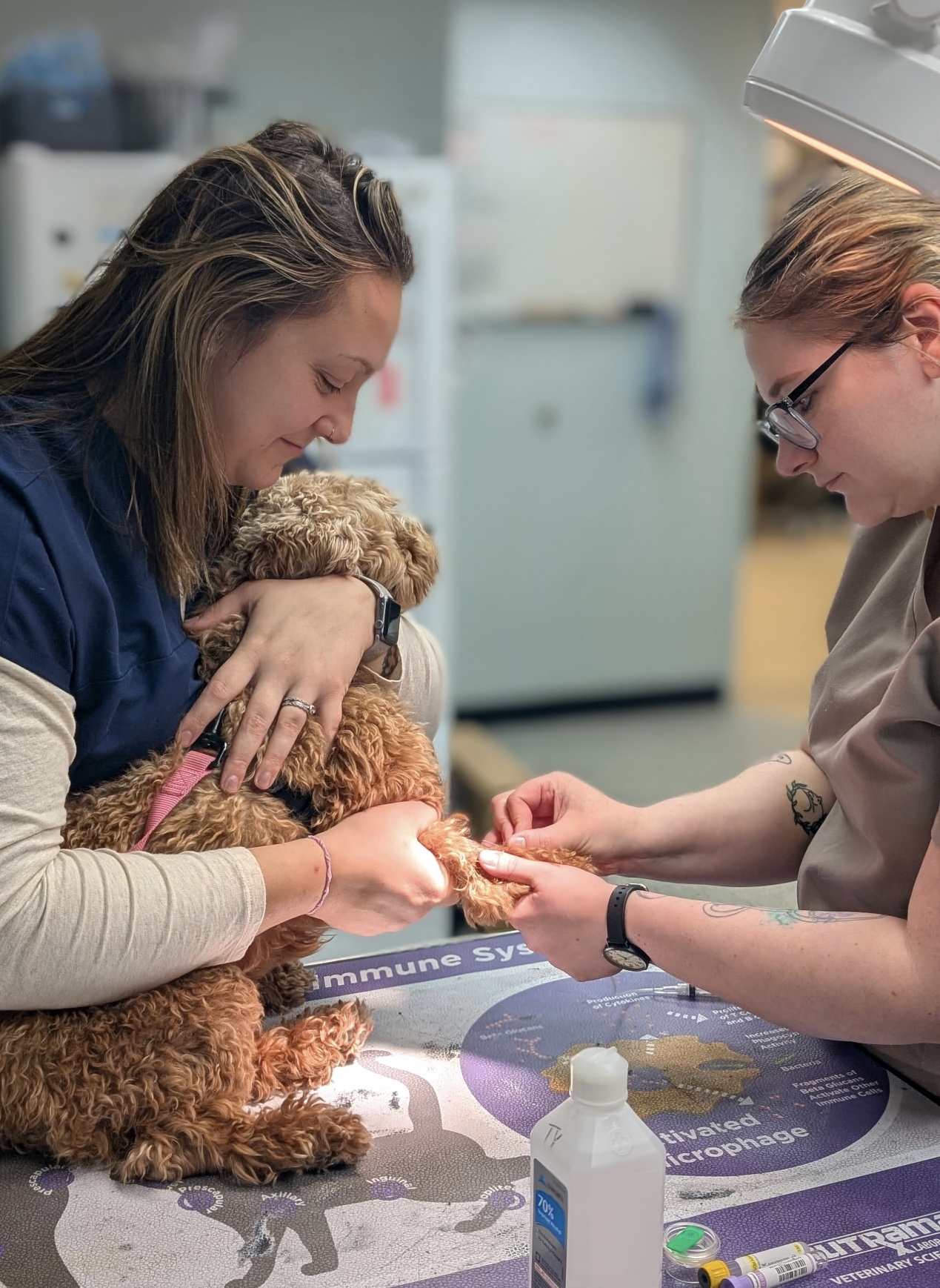
When a pet emergency strikes, every minute matters. At Copake Veterinary Hospital in Copake Falls, NY , we provide responsive and compassionate emergency and urgent care for pets in our community. Our experienced veterinary team is trained to act quickly and decisively — delivering immediate, skilled care when your animal needs it most. Whether your pet is facing a sudden injury, a worrying symptom, or a life-threatening situation, you can count on Copake Veterinary Hospital to be there.
request an appointmentWhen Should You Seek Emergency Vet Care?
Knowing when a situation is an emergency is not always straightforward. When in doubt, call us at (518) 329-6161 — our team can help you assess your pet’s condition over the phone and advise whether immediate care is needed. The following signs typically warrant emergency attention:
- Difficulty breathing, labored breathing, or choking
- Suspected poisoning or toxin ingestion
- Seizures or loss of consciousness
- Uncontrolled or severe bleeding
- Trauma including being hit by a vehicle, falls, or animal attacks
- Inability to urinate — especially in male cats (this can be life-threatening within hours)
- Severe vomiting or diarrhea, particularly with blood
- Bloated or distended abdomen, especially in large-breed dogs
- Extreme lethargy, collapse, or inability to stand
- Eye injuries or sudden vision changes
- Suspected broken bones or obvious lameness after injury
- Suspected heatstroke
Please call us before arriving whenever possible. This allows our team to prepare for your pet’s arrival, have the appropriate equipment and personnel ready, and ensure the fastest possible response when you walk through the door.
Urgent Care for Non-Emergency Situations
Not every concern requires emergency-level intervention, but that does not mean it should wait. Urgent care at Copake Veterinary Hospital is appropriate for situations that need prompt attention but are not immediately life-threatening, such as:
- Limping or sudden onset of pain
- Minor wounds, lacerations, or abscesses
- Eye or ear irritation or discharge
- Vomiting or diarrhea that has persisted for more than a day
- Suspected urinary tract infection
- Sudden changes in appetite, energy, or behavior
- Skin reactions or suspected allergic responses
Early evaluation of these issues often prevents them from escalating into more serious problems requiring more intensive care. Our veterinarians take urgent concerns seriously and will work to see you as promptly as possible.
Our Emergency Capabilities
Copake Veterinary Hospital is equipped with the diagnostic tools needed to respond effectively to a wide range of emergencies. Our on-site capabilities include advanced digital X-rays, ultrasound, and a full in-house laboratory for rapid bloodwork and urinalysis. These tools allow us to assess your pet’s condition quickly and begin treatment without waiting for outside results. When cases require specialist-level care beyond our capabilities, we will coordinate referrals to ensure your pet gets the help they need without delay.
After-Hours and Overflow Emergency Resources
Our standard hours are Monday through Friday 8:00 AM – 5:00 PM and Saturday 8:00 AM – 1:00 PM. If your pet experiences an emergency outside of our regular hours, please contact a 24-hour emergency veterinary facility in the region. We recommend keeping that contact information on hand so you are never without options in a crisis.
For anything within our operating hours, call Copake Veterinary Hospital immediately at (518) 329-6161.
Frequently Asked Questions About Emergency Vet Care
What counts as a veterinary emergency?
A veterinary emergency is any situation that could be life-threatening or cause serious harm if not treated immediately. This includes difficulty breathing, poisoning, seizures, severe trauma, uncontrolled bleeding, collapse, inability to urinate, and severe bloating. When in doubt, call Copake Veterinary Hospital at (518) 329-6161 and we will help you determine the urgency of your pet’s situation.
Should I call before bringing my pet in for emergency care?
Yes, please call ahead whenever possible. Calling (518) 329-6161 before you arrive allows our team to prepare the right equipment and personnel for your pet’s specific situation and ensures the fastest, most effective response when you get here.
Does Copake Veterinary Hospital have diagnostic equipment for emergencies?
Yes. We have advanced digital X-rays, ultrasound, and a full in-house laboratory on-site, allowing us to quickly evaluate internal injuries, organ function, bloodwork, and more without waiting for outside results.
What should I do if my pet ingests a toxin or poison?
Call us immediately at (518) 329-6161 or contact the ASPCA Animal Poison Control Center at (888) 426-4435. Do not wait for symptoms to develop — many toxins act quickly and early intervention can be life-saving. Bring any packaging or product information with you if possible.
Can Copake Veterinary Hospital handle surgical emergencies?
Yes. We offer veterinary surgery and are equipped to handle many urgent surgical situations. Our veterinarians will evaluate your pet and determine the most appropriate course of action, including referral if specialist-level care is required.
What if my pet has an emergency outside of your normal hours?
Our hours are Monday through Friday 8:00 AM – 5:00 PM and Saturday 8:00 AM – 1:00 PM. For emergencies outside of these hours, please contact a 24-hour emergency veterinary clinic in the region. We recommend having their contact information accessible before you ever need it.
How can I keep my pet calm during a veterinary emergency?
Stay as calm as possible yourself, as pets are sensitive to their owner’s anxiety. Keep your pet warm, minimize handling of injured areas, and avoid giving any medications unless directed by our team. Focus on getting to the clinic safely and quickly while keeping your pet as still and comfortable as possible during transport.