

Pet Vaccinations in Copake Falls, NY
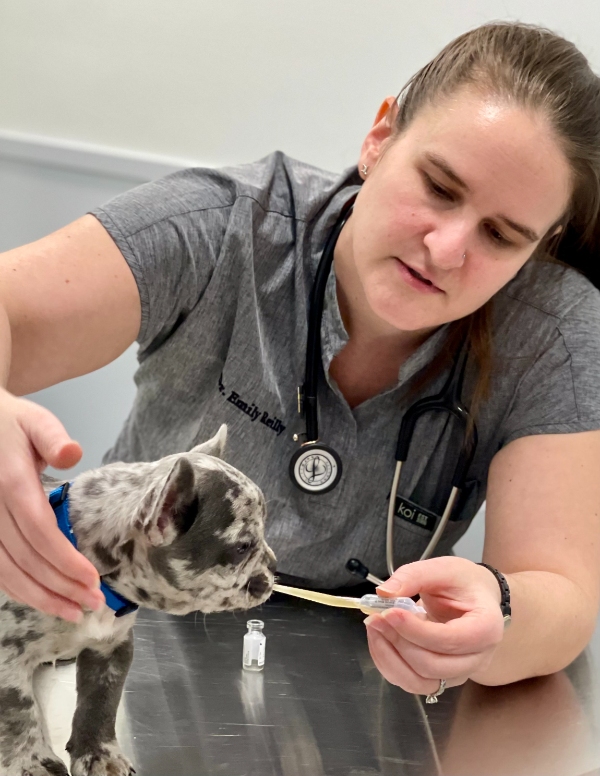
Vaccines are one of the most powerful and cost-effective tools available to protect your pet’s health. At Copake Veterinary Hospital in Copake Falls, NY , we take a thoughtful, individualized approach to vaccination — providing the protection your pet truly needs based on their species, lifestyle, age, and risk factors, without over-vaccinating. Our goal is to keep your pet safe while making every visit as easy as possible for you and your animal.
request an appointmentWhy Vaccinations Matter
Vaccines work by training your pet’s immune system to recognize and fight specific pathogens before a real infection occurs. Diseases like parvovirus, distemper, and rabies can be fatal — and they are entirely preventable with vaccination. Beyond protecting the individual patient, vaccines also contribute to community-level immunity that protects vulnerable animals who cannot be vaccinated for medical reasons.
Staying current on vaccinations is also a legal requirement for rabies in New York State and a practical requirement for boarding, grooming, dog parks, and many travel situations.
Core Vaccines for Dogs
Core vaccines are recommended for all dogs regardless of lifestyle:
- Rabies — Required by New York State law. Protects against this universally fatal virus, which is also transmissible to humans.
- DA2PP (Distemper, Adenovirus/Hepatitis, Parvovirus, Parainfluenza) — A combination vaccine protecting against several serious and highly contagious diseases. Parvovirus in particular is extremely dangerous in unvaccinated puppies.
Lifestyle Vaccines for Dogs
Lifestyle vaccines are recommended based on your dog’s exposure risk:
- Bordetella (Kennel Cough) — Recommended for dogs that board, attend dog parks, go to groomers, or have regular contact with other dogs.
- Lyme Disease — Strongly recommended given the high tick burden in Columbia County and the Hudson Valley. Lyme disease is common in our region and can cause serious joint and kidney complications.
- Leptospirosis — A bacterial infection spread through water and soil contaminated with infected wildlife urine. Common in our rural region where dogs have exposure to streams, ponds, or wildlife.
- Canine Influenza (CIV) — Recommended for dogs with significant exposure to other dogs in group settings.
Core Vaccines for Cats
- Rabies — Required by law and important even for indoor cats, who can be exposed if a bat or other wildlife enters the home.
- FVRCP (Feline Viral Rhinotracheitis, Calicivirus, Panleukopenia) — Protects against three of the most common and serious feline infectious diseases.
Lifestyle Vaccines for Cats
- Feline Leukemia Virus (FeLV) — Strongly recommended for cats with outdoor access or exposure to other cats. FeLV is the leading cause of death in cats and is transmitted through close contact with infected cats.
Our Vaccination Approach
At Copake Veterinary Hospital, we review your pet’s vaccination history at every wellness exam and recommend vaccines based on current guidelines and your pet’s specific circumstances. We use three-year rabies vaccines for appropriate patients to minimize the frequency of injections. We also discuss titer testing as an alternative to routine revaccination for some core vaccines when appropriate.
Vaccinations are included as part of routine preventative care. To schedule your pet’s vaccination appointment, call us at (518) 329-6161 or request an appointment online.
Frequently Asked Questions About Pet Vaccinations
How often does my pet need vaccines?
Vaccination schedules depend on the specific vaccine and your pet’s age and history. Puppies and kittens require a series of vaccines spaced 3–4 weeks apart in their first few months. Adult pets are typically on annual or triennial schedules depending on the vaccine. Our veterinarians review your pet’s history at every visit and recommend only what is currently due.
Is the Lyme disease vaccine recommended for dogs in Columbia County?
Yes. Given the extremely high tick burden in Columbia County and the Hudson Valley, we strongly recommend the Lyme vaccine for dogs with any outdoor exposure. Lyme disease can cause serious joint disease and kidney damage in dogs. Combined with year-round tick prevention, vaccination provides the strongest protection. See our Parasite Prevention page.
Does my indoor cat need vaccines?
Yes. Rabies vaccination is required by law even for indoor cats — bats and other wildlife can enter homes and expose cats to the virus. FVRCP is also recommended for all cats. Feline Leukemia vaccine is recommended for cats with any outdoor exposure or contact with other cats.
Are vaccines safe for pets?
Yes. Modern veterinary vaccines have an excellent safety profile. Mild, transient reactions such as temporary soreness or lethargy are occasionally seen and typically resolve quickly. Severe allergic reactions are rare. Our team monitors patients after vaccination and is prepared to respond immediately if a reaction occurs.
What is a vaccine titer test?
A titer test measures your pet’s existing antibody levels against specific diseases, providing an indication of immune protection. For some core vaccines — particularly distemper and parvovirus — titer testing can be used to assess whether revaccination is needed rather than vaccinating on a fixed schedule. Ask our team if titer testing is appropriate for your pet.
Does my pet need vaccines to be boarded or groomed?
Yes. Most boarding and grooming facilities require proof of current rabies and Bordetella (kennel cough) vaccines at minimum, and some also require DHPP/DA2PP for dogs and FVRCP for cats. We can provide vaccination documentation for your records. Call (518) 329-6161 if you need to verify or update your pet’s vaccine status before a boarding stay.
What should I do if my pet has a reaction after a vaccine?
Mild reactions such as soreness at the injection site or temporary lethargy are normal and typically resolve within 24–48 hours. Signs of a more significant reaction — including facial swelling, hives, vomiting, difficulty breathing, or collapse — require immediate veterinary attention. Call us at (518) 329-6161 right away or seek emergency care if these occur.